

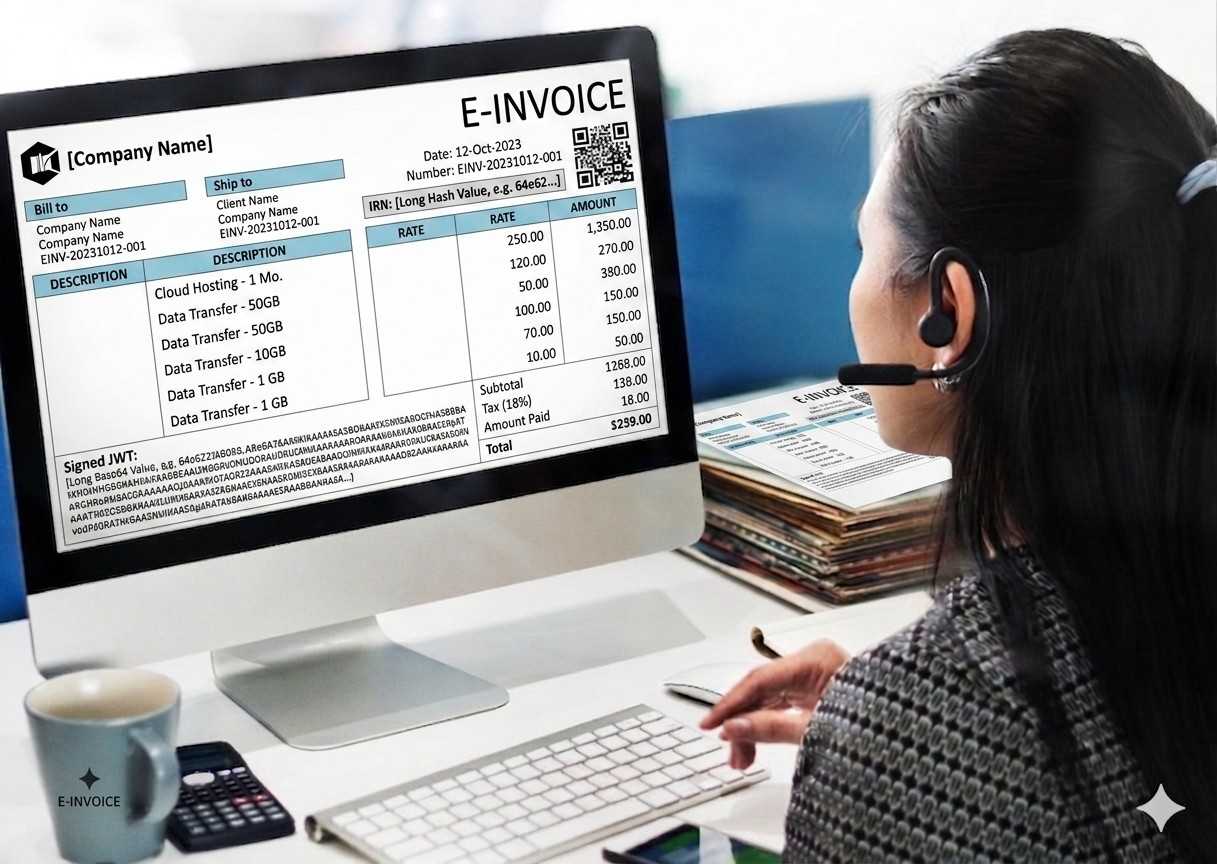
Singapore InvoiceNow digital economy continues to evolve rapidly, and e-invoicing has become a core part of modern business operations. InvoiceNow, the nation’s official e-invoicing framework, is transforming how companies send, receive, and process invoices.
Built on the global Peppol network, InvoiceNow enables businesses to exchange invoices directly through secure channels, eliminating manual work, reducing errors, and improving payment cycles. As adoption accelerates in 2026, understanding how InvoiceNow works is critical for businesses of all sizes.
This guide answers the most frequently asked questions about InvoiceNow, covering everything from basics to compliance, costs, implementation, and benefits.
What is InvoiceNow?
InvoiceNow is Singapore’s nationwide e-invoicing initiative that allows businesses to send invoices directly from one accounting system to another using the Peppol network, including platforms like Zoho Books. It removes the need for PDFs, emails, and manual data entry.
Why InvoiceNow Matters in 2026
With increasing digital compliance requirements and government support, InvoiceNow is no longer optional for many businesses. It enhances efficiency, reduces costs, and ensures compliance with evolving tax frameworks.
InvoiceNow FAQs
1. What is InvoiceNow?
InvoiceNow is Singapore’s e-invoicing system that allows businesses to exchange invoices digitally via the Peppol network. It enables direct system-to-system communication. This eliminates manual invoicing processes. It also improves accuracy and efficiency.
2. How does InvoiceNow work?
InvoiceNow connects businesses through Peppol Access Points. When you send an invoice, it is transmitted securely to your buyer’s system. The process is automated and standardized. No manual intervention is needed.
3. What is the Peppol network?
Peppol is an international framework for secure e-document exchange. It standardizes invoice formats and transmission protocols. This ensures interoperability between systems. Many countries use it for e-invoicing.
4. Who can use InvoiceNow?
Any business registered in Singapore can use InvoiceNow. It is suitable for SMEs, large enterprises, and government vendors. Companies across industries can adopt it. No restriction based on size or sector.
5. Is InvoiceNow mandatory in Singapore?
InvoiceNow is not fully mandatory yet for all businesses. However, it is required for vendors supplying to certain government agencies. Adoption is increasing rapidly. Future mandates are expected.
6. What are the benefits of InvoiceNow?
It reduces manual work and human errors. Businesses get faster payments due to quicker invoice processing. It improves cash flow visibility. It also enhances compliance and audit readiness.
7. How is InvoiceNow different from traditional invoicing?
Traditional invoicing relies on PDFs or paper. InvoiceNow uses structured digital data. It allows automatic processing without re-entry. This makes it faster, more accurate, and cost-effective.
8. What is a Peppol ID?
A Peppol ID is a unique identifier assigned to a business. It ensures invoices reach the correct recipient. It works like a digital address. Every InvoiceNow user must have one.
9. What is a Peppol Access Point?
An Access Point is a certified service provider. It connects your system to the Peppol network. It handles secure transmission of invoices. Businesses must register with one to use InvoiceNow.
10. Do I need new software to use InvoiceNow?
Not always. Many existing accounting systems support InvoiceNow. You may only need integration or activation. Some businesses may upgrade their software. It depends on your current setup.
11. How much does InvoiceNow cost?
Costs vary depending on the provider and system. Some SMEs may get subsidized solutions. There are setup and subscription fees. However, long-term savings often outweigh costs.
12. Is InvoiceNow secure?
Yes, it uses secure protocols for data transmission. Only verified participants can exchange invoices. Data is encrypted during transfer. This ensures high security and reliability.
13. Can SMEs use InvoiceNow easily?
Yes, InvoiceNow is designed for businesses of all sizes. Many solutions are SME-friendly. Government grants may support adoption. Implementation is relatively simple.
14. What formats are used in InvoiceNow?
InvoiceNow uses structured formats like Peppol BIS. These formats standardize invoice data fields. It ensures compatibility across systems. This enables automation and accuracy.
15. How long does implementation take?
Implementation can take a few days to a few weeks. It depends on your system complexity. Simple setups are faster. Larger integrations take more time.
16. What industries benefit most from InvoiceNow?
All industries can benefit from InvoiceNow. Retail, logistics, manufacturing, and services see major gains. High-volume invoicing businesses benefit the most. It improves efficiency across sectors.
17. Can InvoiceNow handle cross-border invoices?
Yes, since it uses the Peppol network. Businesses can send invoices internationally. It supports cross-border trade. This is useful for global operations.
18. What is the role of IMDA?
IMDA oversees InvoiceNow in Singapore. It manages accreditation of Access Points. It promotes adoption across businesses. It ensures compliance with standards.
19. Do I need training to use InvoiceNow?
Basic training may be helpful. Most systems are user-friendly. Providers often offer onboarding support. Teams can learn quickly.
20. Can InvoiceNow integrate with ERP systems?
Yes, it integrates with most ERP systems. This allows seamless invoice generation and processing. It automates workflows. Businesses benefit from end-to-end integration.
21. What happens if an invoice fails?
If an invoice fails, the system notifies you. Errors can be corrected and resent. Validation checks prevent incorrect data. This reduces disputes.
22. How does InvoiceNow improve cash flow?
Invoices are delivered instantly. Processing times are reduced. Payments are received faster. This improves overall cash flow management.
23. Is InvoiceNow suitable for small businesses?
Yes, it is highly suitable for small businesses. It reduces manual work and costs. Many affordable solutions are available. It helps SMEs scale efficiently.
24. Can I track invoices in InvoiceNow?
Yes, many systems provide tracking features. You can monitor invoice status in real-time. This improves transparency. It helps follow up on payments.
25. What are common challenges in adoption?
Initial setup and integration can be challenging. Staff training may be required. Choosing the right provider is important. However, challenges are manageable.
26. Are there government incentives for InvoiceNow?
Yes, Singapore offers grants and support schemes. SMEs can benefit from subsidies. This reduces adoption costs. It encourages digital transformation.
27. Can I send invoices to non-registered businesses?
No, InvoiceNow works only between registered users. For others, traditional methods may be used. Adoption is growing steadily. More businesses are joining.
28. How does InvoiceNow reduce errors?
Structured data eliminates manual entry mistakes. Validation checks ensure accuracy. Automated processing reduces human involvement. This improves reliability.
29. What is the future of InvoiceNow?
InvoiceNow adoption will continue to grow. More mandates are expected. Integration with tax systems may increase. It will become standard practice.
30. How do I get started with InvoiceNow?
Choose a Peppol Access Point provider. Register your business and get a Peppol ID. Integrate your system. Start sending and receiving invoices.
31. Is InvoiceNow worth implementing in 2026?
Yes, it offers long-term efficiency and cost savings. It improves compliance and scalability. Businesses gain a competitive advantage. Early adoption is beneficial.
Final Thoughts
InvoiceNow is more than just an invoicing tool—it’s a step toward full digital transformation in Singapore and Belgium. In 2026, businesses that embrace e-invoicing will gain efficiency, reduce operational costs, and stay ahead of compliance requirements in both markets.
Whether you’re a small business or a large enterprise, adopting InvoiceNow today ensures smoother operations and future readiness.
Source by:
Image by Gemini