

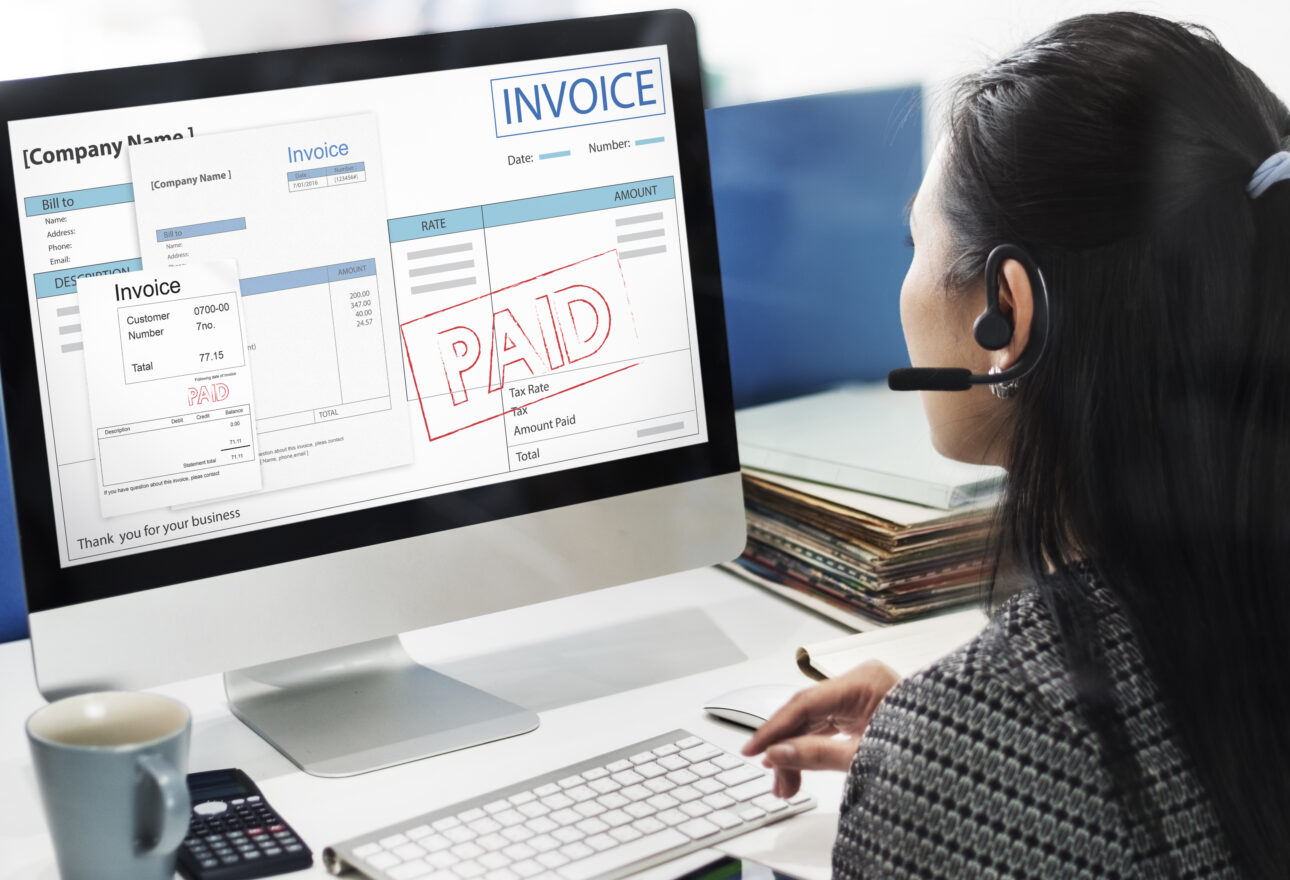
The adoption of Singapore electronic invoicing is significantly changing the way businesses handle their billing and financial transactions. More and more businesses are using electronic invoices in favor of paper or PDF invoices and unstructured electronic invoices.
With the focus on digital transformation becoming a key priority for organizations, electronic invoicing in Singapore helps organizations to be efficient in their business processes. In this regard, organizations can exchange their invoices electronically without the need to use email attachments.
Through the national framework, which is facilitated by the InvoiceNow system, organizations are able to directly send their invoices from their accounting systems to their clients securely and in a standardized manner.
Electronic Invoice Format Standards
Structured digital invoices form one of the key components of Singapore electronic invoicing. Traditional invoices, even if they are electronically transmitted, may be in the form of PDF files, which necessitate manual entries, whereas structured digital invoices can be processed electronically.
In general, the structured electronic invoice format includes fields such as:
- Information of the supplier
- Information of the buyer
- Invoice date and number
- Information of the product/service
- Information of tax and payment
In this regard, it can be stated that the InvoiceNow system supports such structured electronic invoice formats, which can be processed electronically, allowing for compatibility between different accounting systems used by businesses.
By using standardized formats, businesses can exchange invoices digitally while maintaining accuracy and efficiency.
Apart from that, structured invoices are important in that they enable finance teams to improve accuracy in terms of data. This is in the sense that structured invoices are divided into different sections or fields, and the data is validated prior to processing.
The second advantage associated with structured invoices is that it improves the level of visibility for suppliers and finance teams. This is in the sense that it is easier for finance teams to track and analyze invoice data, given that it is stored in a structured format.
The third advantage associated with structured invoices is that it is compatible with different accounting systems and ERP systems. This is in the sense that structured invoices are stored in a structured format and are easily transferred from one system to another without requiring conversion of files.
Lastly, the advantage associated with structured invoices is that it supports scalability for growing businesses. This is in the sense that structured invoices ensure that growing businesses are able to process invoices without having to increase administrative tasks for finance teams, making it easier for them to analyze and plan finances without having to worry about invoice processing and payment.
Old vs New Digital Invoicing Model
| Feature | Traditional Invoicing | Digital Invoicing |
| Invoice Format | Paper or PDF | Structured digital invoice |
| Processing | Manual entry | Automated processing |
| Delivery | Email or post | Secure digital exchange |
| Errors | Higher risk | Reduced errors |
| Payment Cycle | Slower | Faster |
| Integration | Limited | ERP Integration |
In the traditional invoicing process, the finance department may need to manually key in the invoice information into the accounting system.
In the case of Singapore electronic invoicing, the invoicing process is done electronically, which eliminates the need to manually key in the invoice information.
This new invoicing process provides a better way to handle the invoicing process for the company.
Secure Invoice Exchange via PEPPOL
The PEPPOL network helps in the safe exchange of invoices between businesses. A company can join the PEPPOL network through a certified service provider.
The service provider acts as a gateway that helps the company send and receive invoices through the PEPPOL network.
When a company wants to send an invoice, it goes through the gateway of the PEPPOL network and directly reaches the recipient’s system, thus enabling the safe and efficient movement of invoices.
Organizations using digital invoice software and PEPPOL access point SG can exchange invoices electronically.
The infrastructure can also be used to enable the communication of invoices between the buyer and the supplier.
ALSO READ BLOG:– Singapore E-Invoicing 2026 Guide for Businesses
Business Automation Benefits of Electronic Invoicing
One of the major benefits of Singapore electronic invoicing is the aspect of automation. For instance, businesses can be able to automate billing operations by eliminating the need for manual invoicing processes.
With the use of digital invoice software, businesses can be able to generate and send invoices to customers as well as track the status of the payments received.
Automation also enables the use of automated billing SG, which helps businesses generate invoices for subscription services.
Some of the benefits include:
- Faster Invoice Processing
- Reduced Manual Data Entry
- Improved Payment Tracking
- Better Financial Visibility
Through automated billing SG, businesses can ensure timely issuance of invoices through SG.
Businesses can experience improved operational efficiency after implementing digital invoicing.
Compliance Checklist 2026
Businesses that intend to use electronic invoicing systems should make sure that their systems comply with the necessary compliance standards.
A standard compliance checklist includes:
1. Structured Invoice Format
Invoices should be sent in a standard electronic invoice format.
2. Network Connectivity
Businesses should be connected to the PEPPOL network through certified providers.
3. Compatible Software
Businesses should use accounting software or e-invoice software that supports electronic invoicing.
4. Data Accuracy
Invoices should be validated before sending.
5. Secure Transmission
Invoices should be sent securely using approved networks.
Advintek System Integration Support
There are cases where businesses might need assistance in integrating the Singapore electronic invoicing system into existing systems. Businesses might need assistance in integrating the ERP system into the national e-invoicing system.
Advintek offers system integration services to assist businesses in implementing electronic invoicing solutions.
Advintek offers assistance to businesses in integrating Singapore’s electronic invoicing system into existing systems. With the assistance of experts, businesses can easily integrate the Singapore electronic invoicing system into existing systems.
Conclusion
The shift to Singapore electronic invoicing can be considered a major move towards the modernization of financial management practices for various organizations. This is because digital invoicing is bound to become more popular among different organizations, with many embracing the digital invoicing process.
Organizations that have adopted advanced electronic invoicing will be able to achieve efficiency and good financial management practices.
FAQs
1. What is Singapore electronic invoicing?
Singapore electronic invoicing refers to the ability for businesses to transmit electronic invoices via a network.
2. What is an electronic invoice SG format?
An electronic invoice SG format refers to a digital invoice with a defined structure that can be processed electronically.
3. What is a PEPPOL access point SG?
A PEPPOL access point SG is a certified gateway that businesses use to access the PEPPOL network and securely send and receive invoices.
4. What software is needed for e-invoicing?
Businesses usually implement accounting systems or digital invoice software to send and receive electronic invoices.
5. What are the advantages of electronic invoicing?
The use of electronic invoicing helps businesses to increase their efficiency and avoid manual work in the process of invoicing.